What Does a DJ Actually Do at an Event?
Most people know a DJ plays music — but that's about 20% of the job. Here's everything a professional DJ actually does before, during and after your event.
Ask someone what a DJ does and they'll say 'plays music'. That's technically true — in the same way a surgeon 'cuts people'. It's accurate but wildly incomplete. A professional DJ is part event coordinator, part sound engineer, part crowd psychologist, and part music curator. This guide breaks down everything that actually goes into the job.
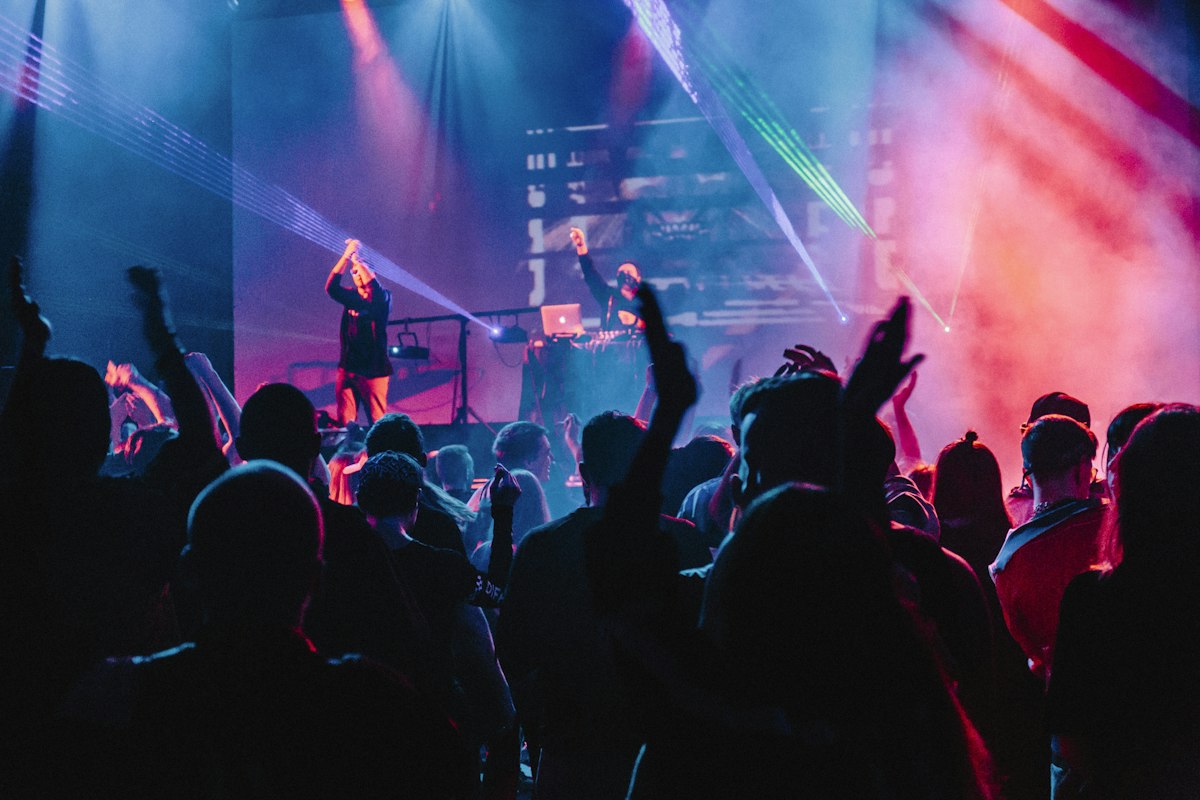
Before the Event: The Preparation Phase
A significant portion of a DJ's work happens before they've set foot in your venue. Here's what a thorough professional does in the weeks and days before your event:
- Pre-event consultation call or questionnaire — music tastes, must-plays, do-not-plays, first dance, parent dances, walk-in songs
- Venue research — checking room size, ceiling height, power supply, access restrictions and noise curfews
- Playlist curation — building a structured setlist around your preferences, event format and likely audience demographics
- Equipment check — PAT testing all gear, checking cables, backing up music libraries on multiple devices
- Coordination with venue and other suppliers — liaising with caterers, venue coordinators and photographers about timings
- Travel and logistics planning — load-in times, parking, rigging requirements
For weddings specifically, this preparation phase can involve two or three hours of admin, multiple email exchanges with the venue, and a detailed event sheet shared with all relevant parties. It's invisible to guests — but it's what separates a smooth event from a chaotic one.
Setup: What Happens Before the First Guest Arrives
Professional DJs typically arrive 90 minutes to two hours before doors open. During this time they:
| Task | Why It Matters |
|---|---|
| Unload and carry equipment | PA speakers, subwoofers, stands, DJ booth, mixer, controllers, lighting rigs — often multiple trips |
| Position PA speakers correctly | Speaker placement affects sound coverage across the entire room — wrong position = dead spots or feedback |
| Run and hide all cables | Health & safety requirement; professional finish means no trip hazards visible to guests |
| Configure the mixer and controller | EQ settings, gain levels, monitor levels, microphone setup — all tuned to the specific room acoustics |
| Sound check | Testing volume levels, clarity and bass response in the actual room before it fills with people |
| Set up lighting rigs | Positioning intelligent lights, moving heads, LED uplighters and any special effects |
| Run through the event timeline | Confirming timings with venue staff, updating the running order if anything has changed |
During the Event: The Visible Part
Reading the Room
This is the core skill that separates average DJs from great ones. 'Reading the room' means continuously assessing the mood of your audience and adjusting your music choices in real time. If the dance floor empties when you drop a particular genre, you pivot. If a song ignites the crowd, you know to revisit that energy later. A DJ who can't read a room will play the same set regardless of the response — and that's how you end up with a dead dance floor at 10pm.
Mixing and Beatmatching
Smooth transitions between tracks keep energy levels consistent. A jarring cut between two songs at different tempos breaks the atmosphere instantly. Professional DJs mix tracks in key and tempo, ensuring the music flows as one continuous experience rather than a series of isolated songs.
Handling Requests
Managing requests is a genuine skill. A DJ has to evaluate each request in real time: Does this fit where we are in the night? Will this track work for the current crowd on the floor? Is this on the do-not-play list? A professional handles this diplomatically — honouring good requests at the right moment, and tactfully declining requests that would derail the atmosphere.
Microphone Management
At weddings and corporate events, the DJ often manages the microphone for speeches, announcements and introductions. This includes setting the right level, monitoring for feedback, cuing the speaker at the right moment, and lowering music smoothly underneath. It sounds simple — until it goes wrong.
Technical Problem-Solving
Equipment fails. Venues have unexpected electrical issues. A USB drops out. A speaker blows a fuse. Professional DJs carry backups: duplicate copies of their entire music library, spare cables, spare fuses, a backup controller. The ability to resolve a technical issue within 60 seconds — without guests ever knowing something went wrong — is a hallmark of an experienced DJ.

The Energy Arc: How a DJ Structures an Evening
A skilled DJ doesn't just play songs — they manage the emotional arc of the entire event. Here's how a typical wedding evening reception is structured:
| Phase | Typical Time | Music Approach |
|---|---|---|
| Drinks Reception / Arrival | 6:00pm – 7:30pm | Background music — relaxed, conversational, acoustic or easy listening |
| Wedding Breakfast | 7:30pm – 9:00pm | Light background — volume low enough for speeches and conversation |
| Speeches & First Dance | 9:00pm – 9:30pm | MC duties, first dance coordination, building anticipation |
| Early Evening Dancing | 9:30pm – 10:30pm | Crowd warmers — known anthems, floor-fillers, building energy gradually |
| Peak Dance Floor | 10:30pm – 11:30pm | Full energy — high BPM, requests, crowd response at maximum |
| Wind Down | 11:30pm – Midnight | Slower songs, final requests, 'last dance' moment |
After the Event: Breakdown and Beyond
Once the last song plays, the work continues. A professional DJ breaks down their entire rig, coils all cables, removes all stands and packs out of the venue — typically within 45–60 minutes. Everything is left exactly as it was found. Any venue-specific requirements (e.g. noise curfews, access times) are strictly observed.
Post-event, a good DJ will also check in with the client to confirm everything met expectations. For regular clients or agencies, this feedback loop is how service quality is continuously maintained.
What a DJ Doesn't Do (But Often Gets Asked)
- Provide a venue sound system — a professional DJ brings their own PA; never assume the venue has equipment
- Act as a wedding planner or event manager — a DJ manages the music and MC duties, not the whole event
- Provide uplighting or photobooths unless specifically booked — these are separate services
- Guarantee every song request — some tracks simply don't work in context, and a good DJ will be honest about that
So How Much of This Are You Actually Paying For?
When you hire a professional DJ for £350–£500, you're paying for several hours of preparation, 1.5–2 hours of setup, 4–6 hours of performance, 45–60 minutes of breakdown, professional-grade equipment worth thousands of pounds, full public liability insurance, PAT-certified gear, and years of experience in reading rooms and managing events. That's a full working day — often more — for one person delivering a service that directly determines whether your guests dance or sit down all night.
Motion Entertainment provides professional DJ hire across Bedfordshire, Hertfordshire, Buckinghamshire and London. Get in touch for availability and a transparent quote.
View DJ HirePrevious
How Much Does It Cost to Hire a DJ in the UK? (Complete Guide)
Next
What Size Dance Floor Do I Need for My Event?
Related Posts
How Much Does a DJ Cost in the UK? (2026 Guide)
Wondering what to budget for DJ hire in 2026? We break down average costs by event type, what's included, and how to get the best value — with real prices from a professional UK DJ company.
DJ HireDecoding DJ Hire Prices: A Complete Guide to Finding the Right DJ for Your Budget
Received three DJ quotes and they're all different prices? Here's exactly how to compare them, what hidden costs to watch for, and what separates genuine value from a cheap gamble.